
Literacy
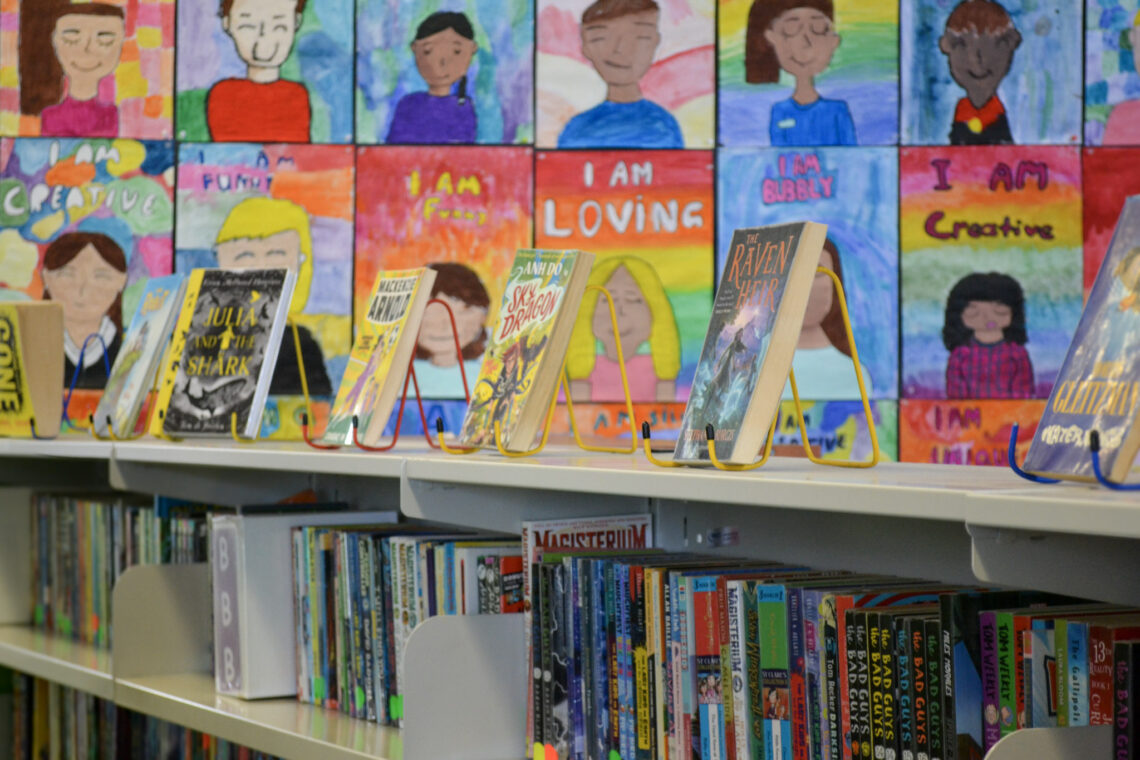
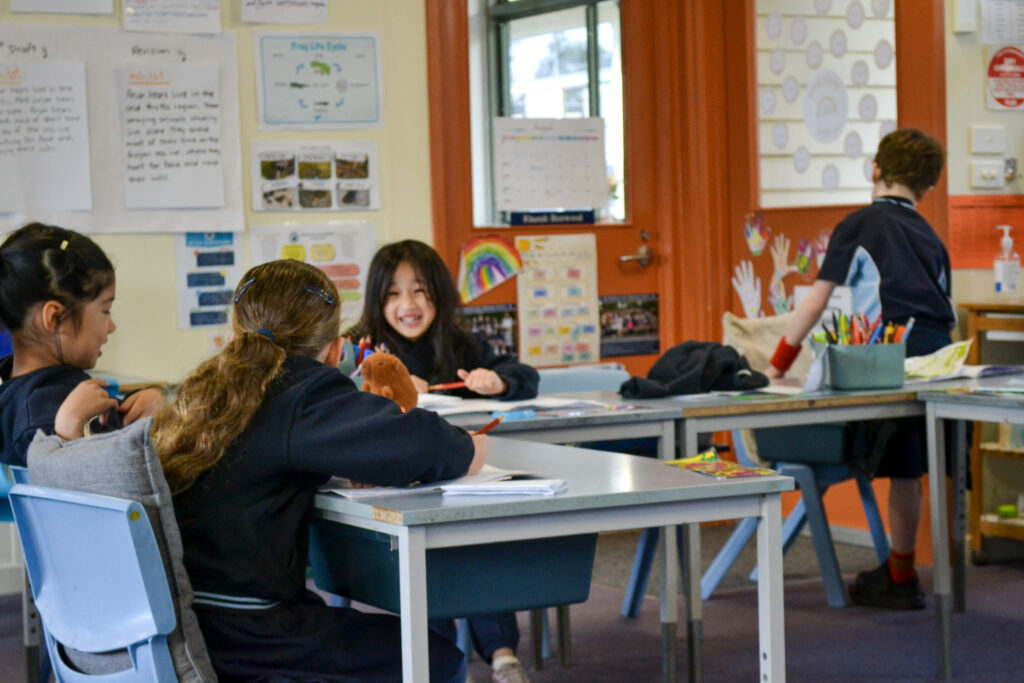
At Heathmont East Primary School we provide a comprehensive curriculum with a strong focus on Literacy. We inspire a love of literature through guided reading sessions, Writer’s Workshops and a multi-sensory spelling program.
We believe in the connection between reading and writing, where students are encouraged to respond to their world in a variety of ways. We explore the writing craft through immersing the children in rich literature, examining different writing genres and discussing what makes a great writer through using the 6+1 Traits of Writing.
At HEPS we provide opportunities for students to engage in rich conversations and listen to peers’ opinions and experiences. We follow a systematic approach when teaching phonics and spelling providing multi-sensory activities for students to read, spell and write words. At HEPS through our literacy program we empower students to learn and achieve success; to be curious, engaged, collaborative, empathetic and critical thinkers.

Reading
At Heathmont East Primary School, we believe that a consistent whole school approach to the teaching and learning of reading is essential to improving the achievement outcomes of our learners. Student achievement in Reading improves when teachers and students share a common vocabulary to explain thinking and a common pedagogy for the teaching of reading across the school.
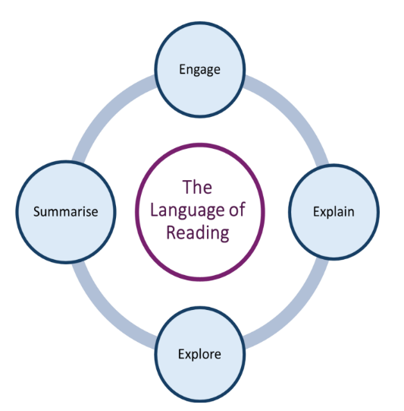
At Heathmont East Primary School, we have a consistent instructional approach which includes the stages of engage, explain, explore and summarise. We support students in developing the knowledge, skills, behaviours and dispositions needed to use their reading skills in a wide range of situations. This involves students recognising and understanding the role of reading and literacy in the world and having the capacity to use their knowledge and skills purposefully.
Teachers maintain on-going, informative records of students’ learning and effectively use data to plan future instruction that targets the point of need for their students. It is expected that all staff at Heathmont East Primary School will actively engage in building professional capacity to provide the best possible reading instruction for our students.
Essential Elements
The Language of Reading
Reading provides access to information, generates imagination, builds knowledge and vocabulary, enables creativity and shapes opinions.
Engage
Teachers foster curiosity, stimulate interest and make links to prior knowledge. Teachers strengthen a love of literacy and reading.
Explain
The teacher explicitly teaches the skill and concept and scaffolds the learning during work time.
Explore
The teacher plans quality tasks that ensure differentiation for all students. Students can work with others to discuss their ideas and strategies.
Summarise
The teacher and students summarise the lesson. Students are given time to share strategies. This provides an opportunity for feedback related to the learning intention and success criteria.
Writing
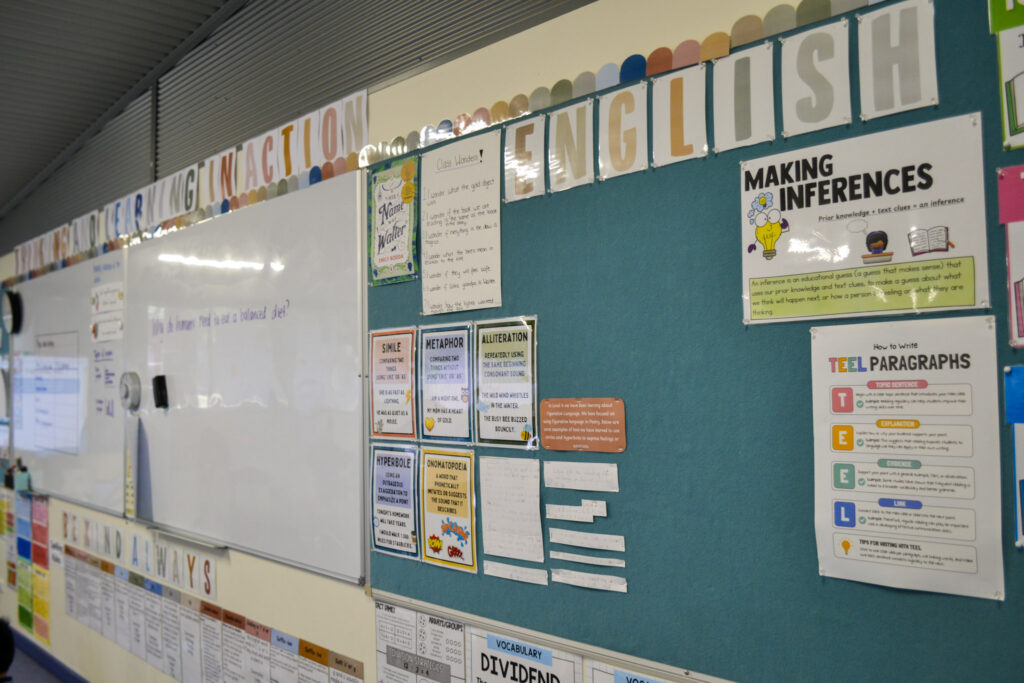
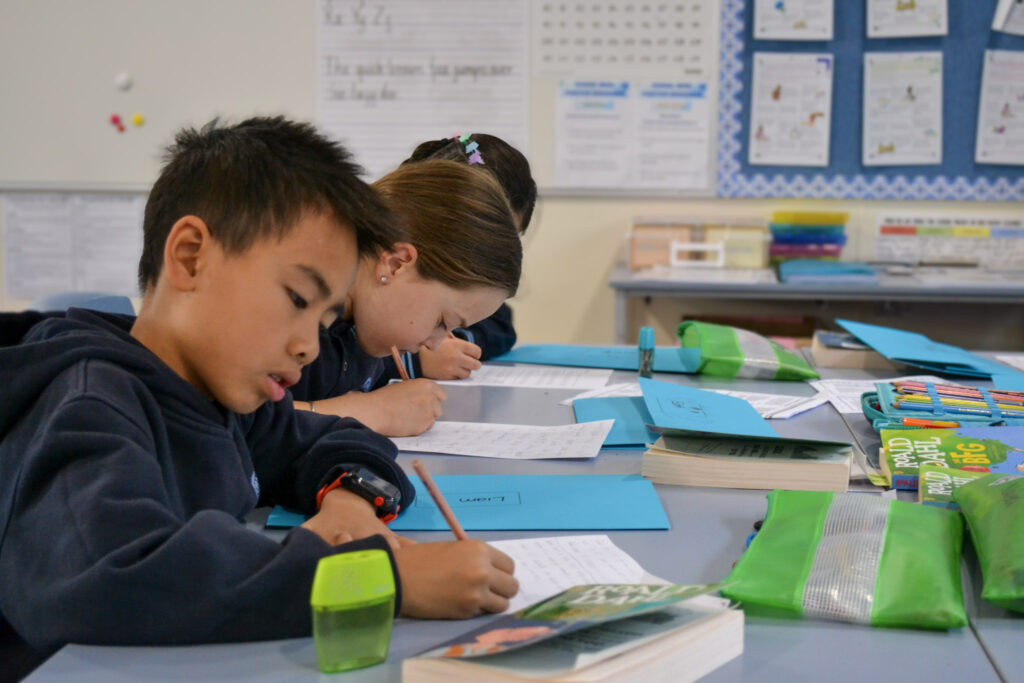
HEPS follows a whole school approach to writing using the 6+1 Writing Traits. The 6 +1 Writing Traits is a way of teaching, modelling, and assessing the instruction of writing. The seven traits of writing are Voice, Ideas, Presentation, Conventions, Organisation, Word Choice, Sentence Fluency and Presentation. The Traits are embedded within our writing program, including a Writer’s Notebook for every student to record ideas, planning and writing prompts.
During Writing lessons students learn to:
- Organise their ideas
- Plan for their writing
- Write using different genres and for different purposes and audiences
- Edit their writing for spelling and punctuation including making improvements to structure and flow.
Spelling
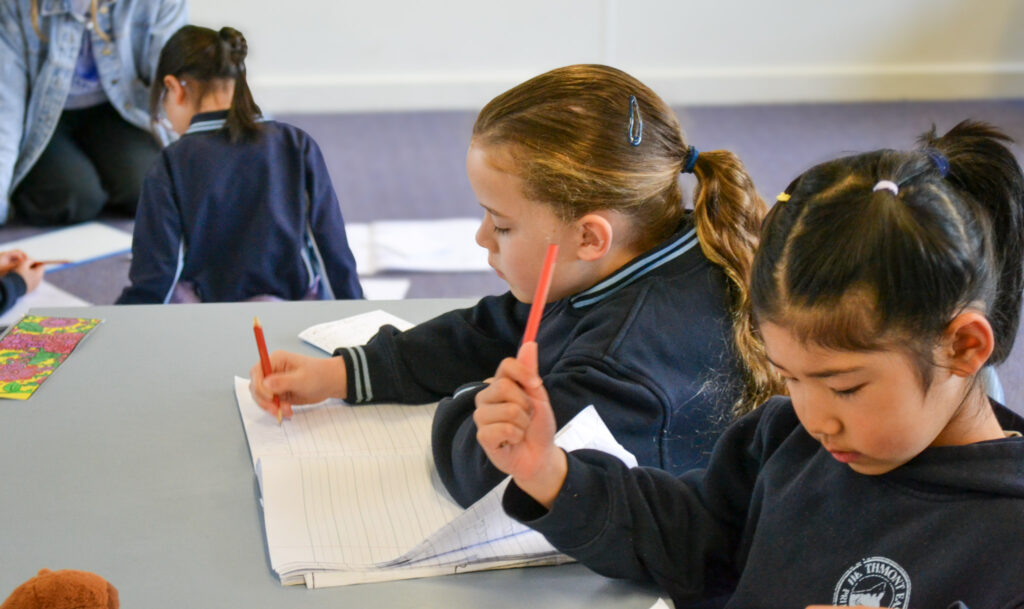
At Heathmont East Primary School, spelling is taught explicitly and systematically every day as part of our whole-school approach to literacy.
Our spelling program helps students develop the knowledge and skills they need to become confident readers, accurate spellers and effective writers. Learning is carefully sequenced from Foundation to Level 6, with concepts revisited and extended as students progress through the school.
What do students learn?
Students develop four key areas of spelling knowledge:
- Phonological knowledge – understanding and working with the sounds in spoken words.
- Orthographic knowledge – understanding spelling patterns and how sounds are represented in writing.
- Morphological knowledge – understanding how words are built using prefixes, suffixes, roots and base words.
- Etymological knowledge – exploring the origins and history of words to understand their meanings and spellings.
How do we teach spelling?
Our lessons are short, focused and purposeful, with explicit teaching, modelling and opportunities for students to practise and apply their learning. Students experience spelling concepts in a variety of ways, including:
- phonics and spelling patterns
- word building and word analysis
- syllable and morphology activities
- handwriting
- high-frequency words
- dictation
- reading fluency
- games and multisensory activities
- regular retrieval and review of previously taught concepts.
Students are also given differentiated learning opportunities so that spelling instruction can respond to their individual needs and progress. Regular assessment helps teachers identify what students know, plan future instruction and provide targeted support or extension.
Building confident spellers
We want our students to do more than simply memorise a list of words. Our program develops an understanding of why words are spelled the way they are, giving students strategies they can apply when spelling both familiar and unfamiliar words.
Through consistent, engaging and evidence-informed spelling instruction across Foundation to Level 6, students build the knowledge, confidence and independence they need to communicate effectively in reading and writing.
Speaking and Listening
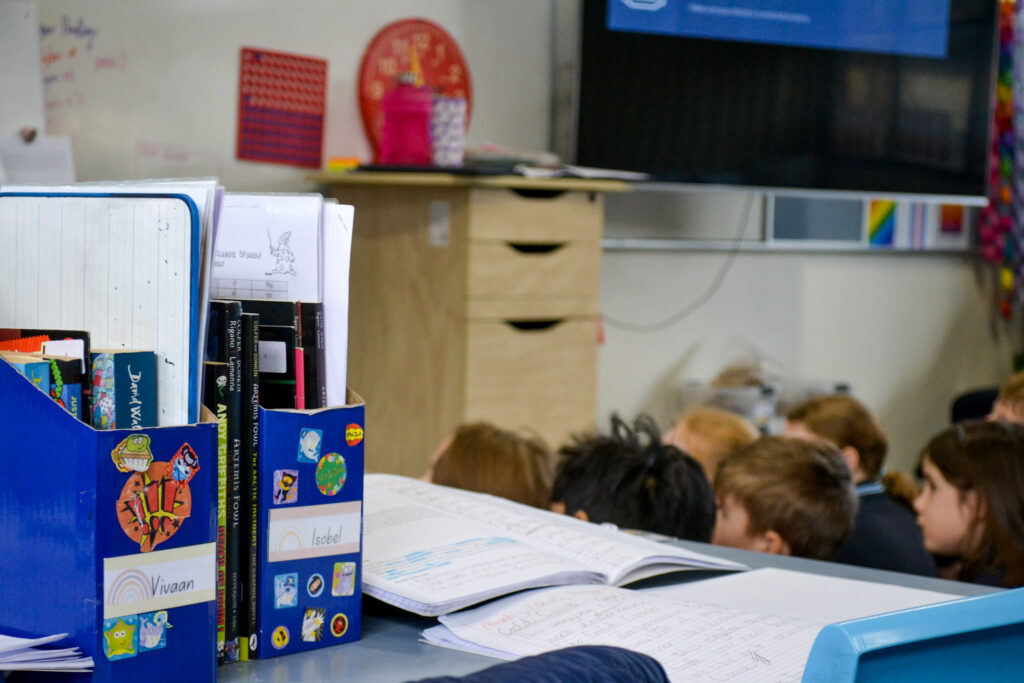
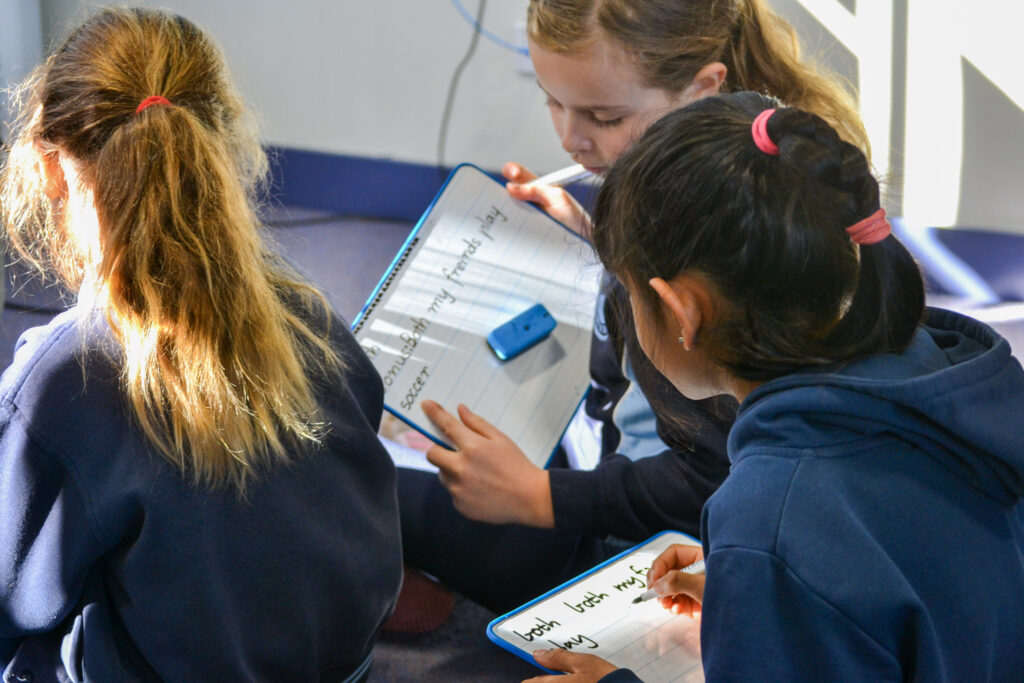
Oral language is a vital element in literacy development. Students regularly engage in activities that improve their ability to communicate through explicit instructions on what successful listening and speaking looks like. Speaking and listening activities are also embedded within Reading, Writing, Spelling and Vocabulary sessions.
School and Home partnerships
At home, as parents you can have a huge impact on your child’s mindset toward Literacy and the partnership and relationship between school and home is crucial.
At home it is important that Literacy skills are modelled positively, fun and enjoyable for everyone. Students who enter the classroom with a positive outlook towards English skills allows for an open-minded mindset making a huge difference to their learning. Modelling a positive attitude to children from a young age and working with the school in supporting a love for learning is vital in building the foundations for students to become independent, lifelong learners, problem solvers and critical thinkers in literacy.
Ways to engage with your child in literacy at home:
- Reading stories together and asking questions
- Writing for purposes (letters to family/friends, shopping lists etc)
- Role playing games
- Board Games
- Exposure to different types of texts – Fiction, Non fiction, newspaper articles, menus, shopping lists etc